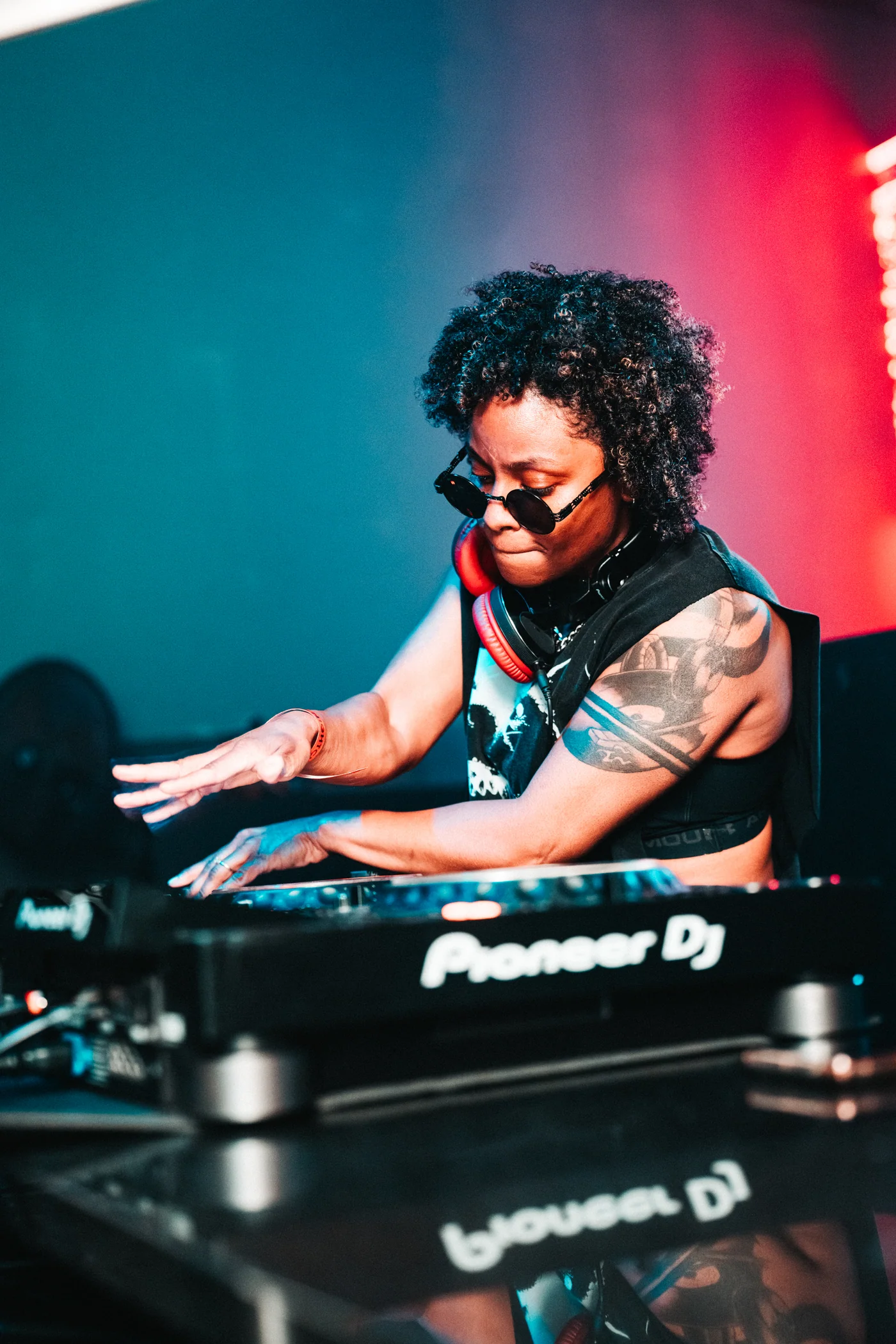
LowkeydintheHouse makes music for the moment when a bassline changes somebody’s face.
It might make the listener bounce gently in the pocket. It might pull out the unmistakable expression that appears when a bass sound turns especially nasty. Either reaction tells her something important: the groove is working.
The Seattle artist moves through bass house, tech house, and other forms of four-on-the-floor electronic music, but she is reluctant to let a genre name define the project.
LowkeydintheHouse is really just party music and high-energy music. It’s about exploring and pushing EDM, in terms of house music or four on the floor, as far as I can.
That search extends beyond her own records. As a DJ, C89.5 host, Low House Records founder, and collaborator with Sub49, LowkeydintheHouse is also creating more ways for Northwest artists to move from private work into public spaces.
Her music starts with the club. Her wider purpose starts with helping people believe they belong there.
The relationship between kick and bass
Even when the style changes, LowkeydintheHouse knows what makes a track feel like her own.
The thing that makes it a LowkeydintheHouse production is the relationship between the kick and bass. If it’s powerful in the lower frequencies and rhythmic, that’s me for sure.
Most tracks begin with drums. The four-on-the-floor kick provides a foundation, followed by hi-hats, a snare, a clap, or whatever the rhythm needs. She works until the drums feel active without becoming too busy.
Only then can she hear what she calls the attitude of the bass.
The phrase describes the groove before it describes the sound. Is the bassline syncopated? Does it sit firmly in the pocket? Is it aggressive, or does it create a looser bounce? Those decisions determine what the listener feels before additional synthesis or processing gives the bass its final texture.
‘I imagine what the listener’s face is doing as they’re listening to the bassline,’ she says. ‘Are they just bouncing, or are they giving me that nasty bass face? That’s the attitude I’m talking about.’
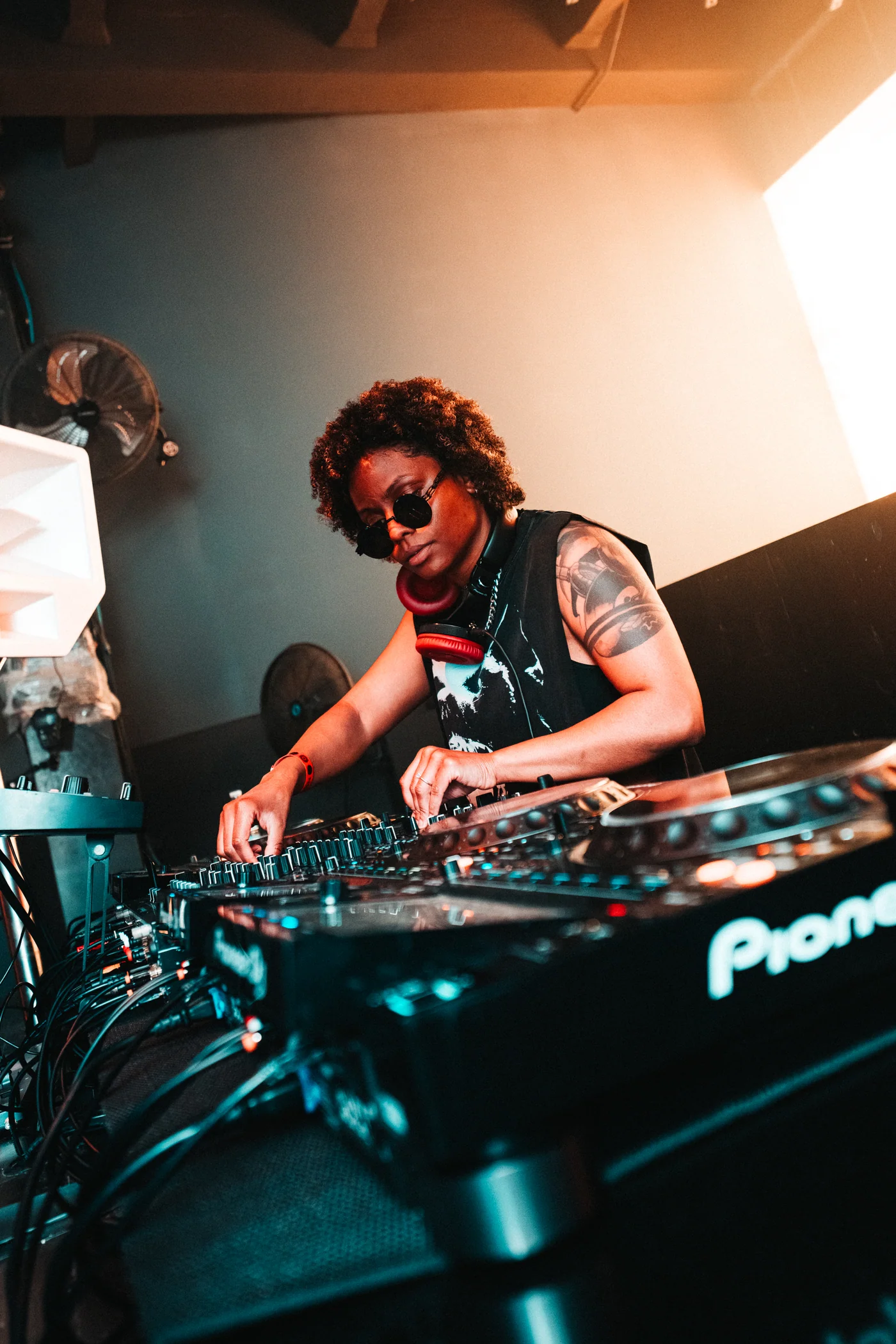
Groove comes before sound design
LowkeydintheHouse has spent much of the past year studying engineering, mixing, and sound design. The deeper technical work has reinforced a simple lesson: complexity cannot rescue a weak musical idea.
If she can clearly hear the notes and rhythm of a bassline, she can add sound-design layers later. The movement itself has to work first.
As long as the groove is there, you can add the sound design later. If you have great sound design and a terrible groove, you’re going to lose people.
That principle matters especially in the older style of bass house she loves. She describes it as loud, aggressive, and deliberately obnoxious, with more of the energy that once came from fusing house and dubstep. Creating that density requires careful layering across the frequency spectrum, followed by enough mixing and mastering discipline to keep the result powerful instead of crowded.
The challenge is part of the appeal. For LowkeydintheHouse, technical skill is most useful when it amplifies a physical reaction that was already present in the rhythm.
Music was there before DJing
LowkeydintheHouse did not begin with production or DJing. She began with instruments.
She picked up the flute in elementary school, then moved to tenor and baritone saxophone in middle school. She played at church, at school, and in jazz band. By high school, peer pressure convinced her to step away.
‘I didn’t do anything music-wise because I didn’t want my friends to think I was lame,’ she says. ‘By the end of it, I realized I need this to function.’
She now looks back on that decision with regret, especially in a culture where fear of appearing embarrassing can keep young people from trying the things they might love most.
It’s not worth not doing something you want to do because you’re afraid of someone else’s opinion.
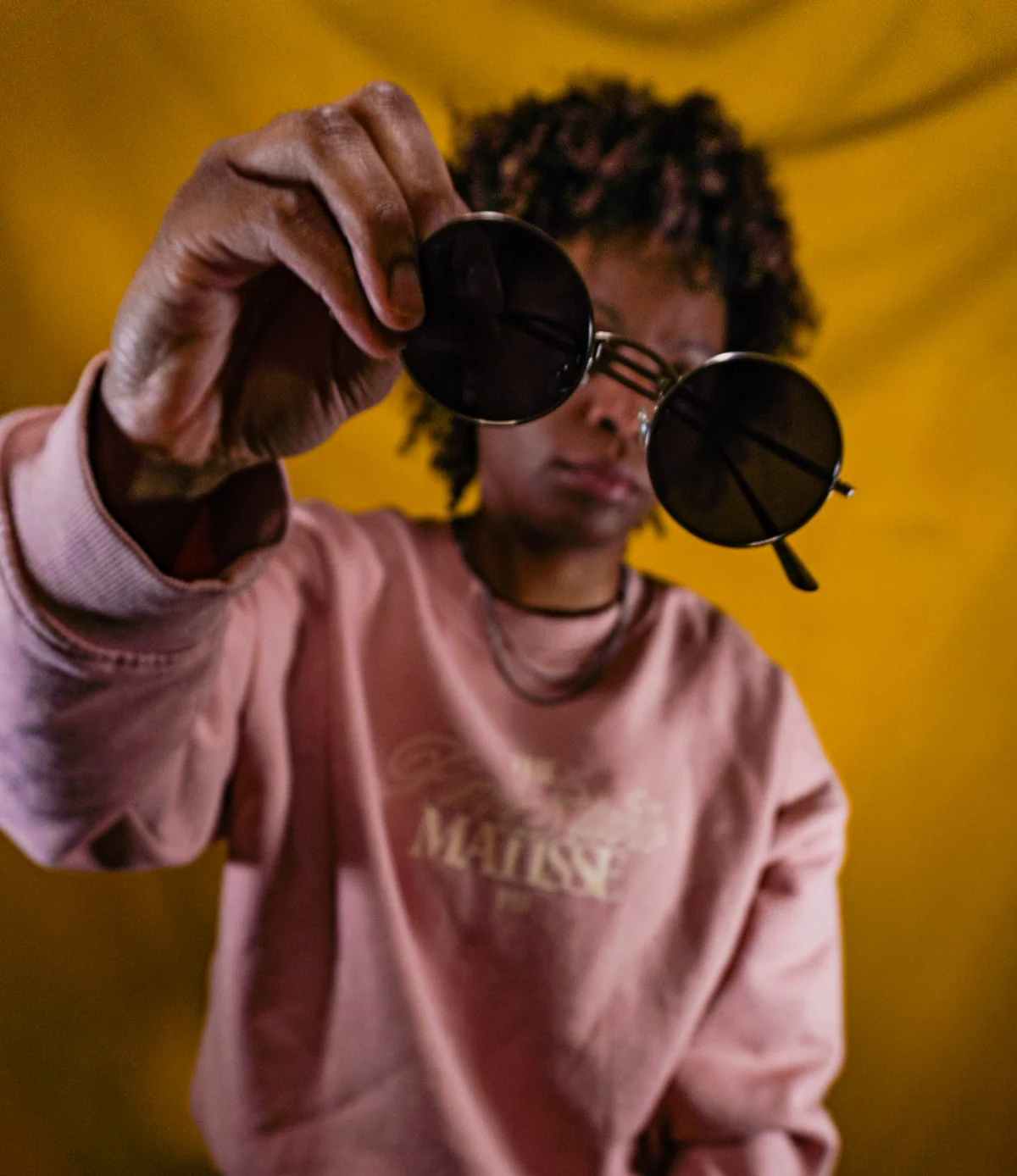
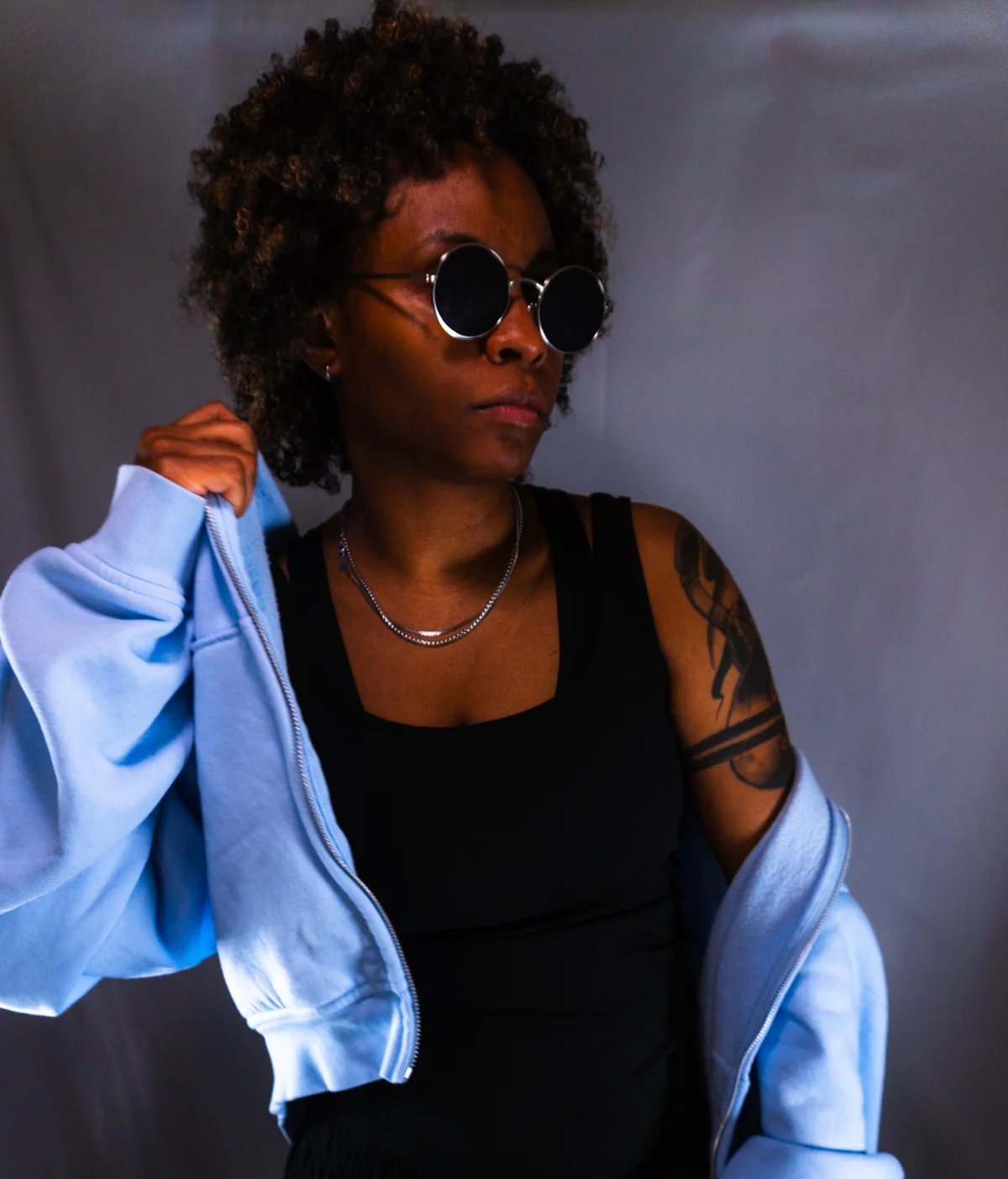
‘I’m so glad I got back into music after high school, but I highly regret not doing it while I was there,’ she says.
In college, she met a producer who worked in FL Studio and seemed to be having an incredible time. His hip-hop beats sounded polished enough for major artists, but what stayed with her was the ease and enjoyment of the process.
She began making beats privately. For years, it remained a hobby almost nobody knew about. She could wake up, make something in her room, go to class, and continue with the rest of her day without having to explain herself.
The path into professional work came through helping someone else.
Learning through constraints
Around 2014, LowkeydintheHouse began contributing music to Made Sounds Media, an online entertainment network created by someone she describes as her spiritual brother. Based in Colorado Springs, the network brought music, visual art, DJs, and other forms of entertainment together through web channels that anticipated the current ecosystem of podcasts and creator media.
Her assignments included intro music, background tracks, and audio for maintenance screens. Each request arrived with a detailed list of deliverables. A piece might need a full mix and master, several alternate versions, a short edit, a longer edit, or a version ending with a stinger.
The work taught her to think beyond making a beat that sounded good in isolation.
Later, studying online beat sales and music for television, film, games, and advertising revealed an entire professional world built around those same skills. Work with smaller music libraries reinforced the lesson that a producer needs to understand what a piece of music is supposed to accomplish.
I learned how to make things for different audiences. Commercial music is going to sound different from club music, and club music is going to sound different from music that thrives on radio.
She learned that songs have jobs. A track designed for a television placement should leave room for dialogue and visual storytelling. A radio record has different demands than a four-minute instrumental. A club track has to communicate through a large sound system and a moving crowd.
LowkeydintheHouse learned to make music for herself by first learning how to make it useful for other people.
The club is the first test
When she is producing under the LowkeydintheHouse name, the club is the first audience she imagines.
My DJ background is the club. I think that’s the best place to hear new music. People are more open to hearing something new, and the club is the best place to get the full effect of that kick-and-bass relationship.
Festivals come next. Her recent interest in more aggressive house is partly about making records that can preserve the groove of club music while filling a larger space with energy.
That does not mean every track needs to perform the same function. Her background in commercial production taught her to recognize what each piece of music is designed to do. The important part is making those decisions intentionally.
The records she makes for LowkeydintheHouse are built for movement. Their job is to make a room react.
Finding Sub49 before finding Seattle
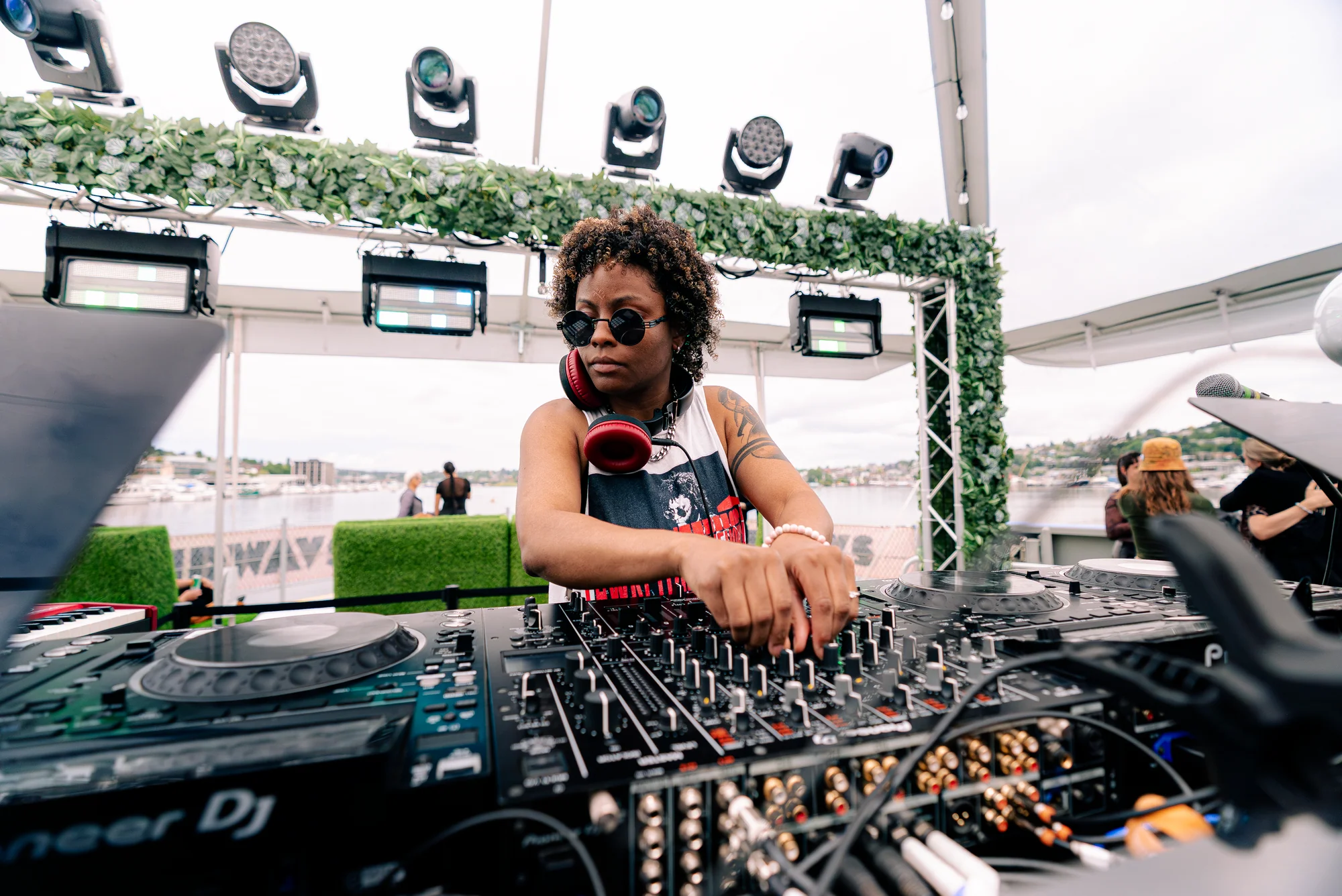
LowkeydintheHouse started DJing in 2011 and played her first paid club set a few years later. By 2018, she had residencies in Colorado Springs and was regularly playing music from Seattle label Sub49 at Blondie’s downtown.
At the time, she had never visited Washington and had no personal connection to Seattle. She simply trusted the label because it consistently introduced her to records and artists she wanted to play.
After the pandemic changed her employment and her partner received an opportunity in Washington, the move north eventually brought her into the same community she had followed from a distance. Meeting members of the Sub49 team felt familiar because their music had already been part of her DJ sets for years.
She now brings her education in production, music libraries, and industry operations into her work with the label.
I want to give artists like myself direction and a chance to do great things and get their music heard. I want it to be like a lighthouse within the scene.
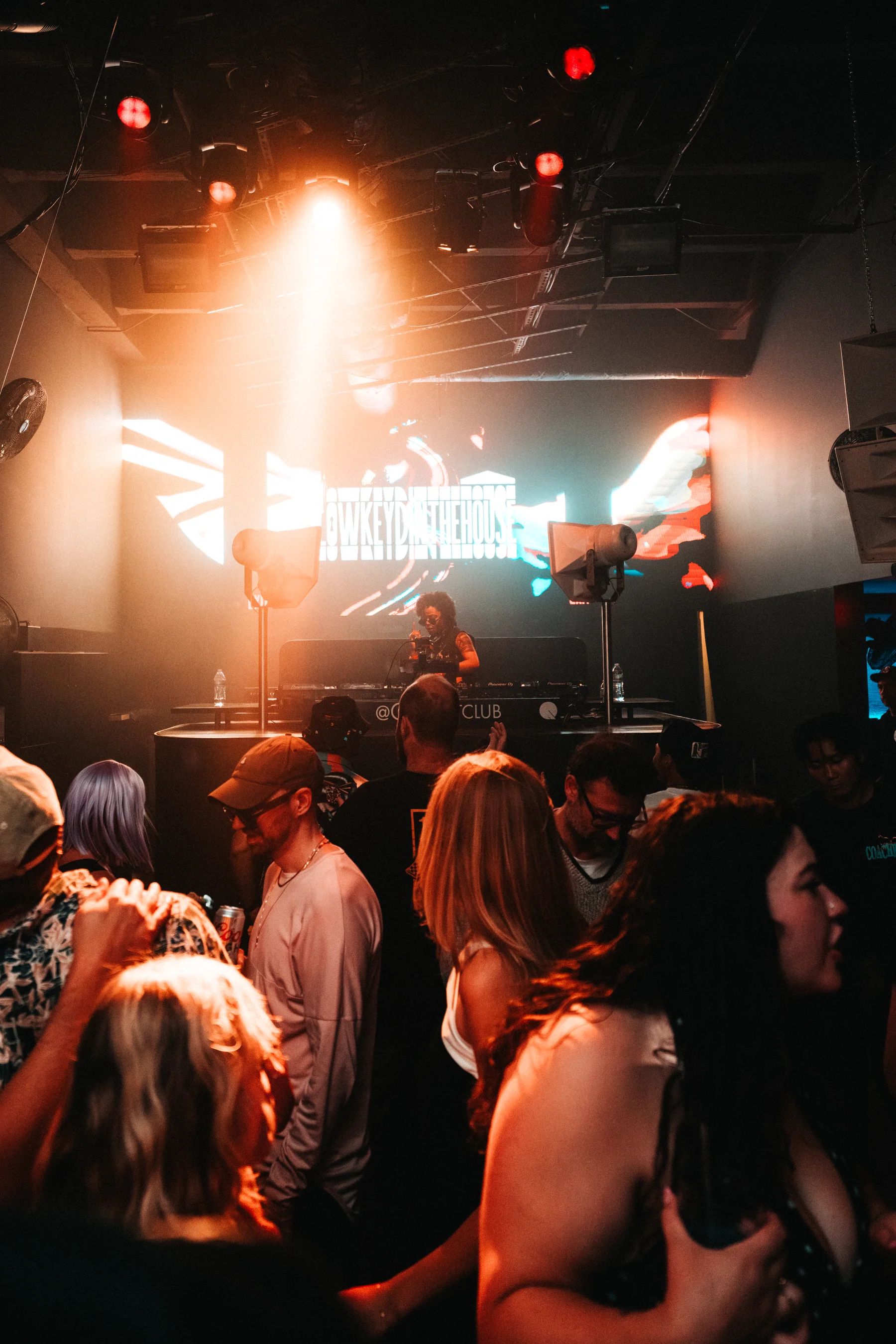
The image fits her broader role. A lighthouse does not determine where an artist must go. It makes the path easier to see.
Turning radio into a place to practice being visible
LowkeydintheHouse brings the same mission to her partnership with Dance 89.5 at C89.5. Previous work with iHeartMedia taught her how to operate inside a radio environment. Her goal now is to bring more of the community into it through DJ mixes, conversations, and public exposure.
Seattle has no shortage of talented artists. In her view, one of the most common obstacles is not skill but confidence.
People can spend months refining tiny details in a track or set, then freeze at the final step. Posting it, talking about it, or attaching their identity to the work can feel more difficult than making it.
Radio offers a place to practice that visibility. Because C89.5 operates from a high school and is built around learning, awkward first attempts are expected. Artists can make mistakes without feeling that one imperfect moment will define them.
Get into a public space. Talk to people on the radio. Let us hear your voice. It’s okay to show who you are, because people are interested in the person who makes their favorite music.
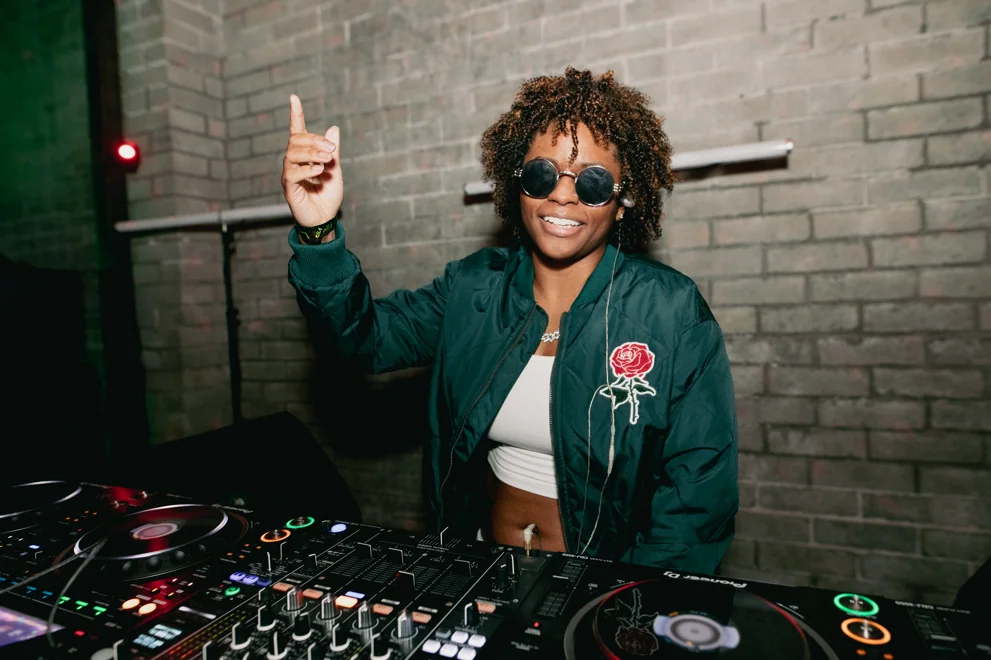
That work brings her story full circle. LowkeydintheHouse once stepped away from music because she feared how other people might see her. She later spent years making beats privately, without asking anyone to listen.
Now she makes club records designed for immediate public reaction, while creating spaces where other artists can move through the same fear.
The bassline might be what changes somebody’s face. The invitation to be heard might change everything that comes after.