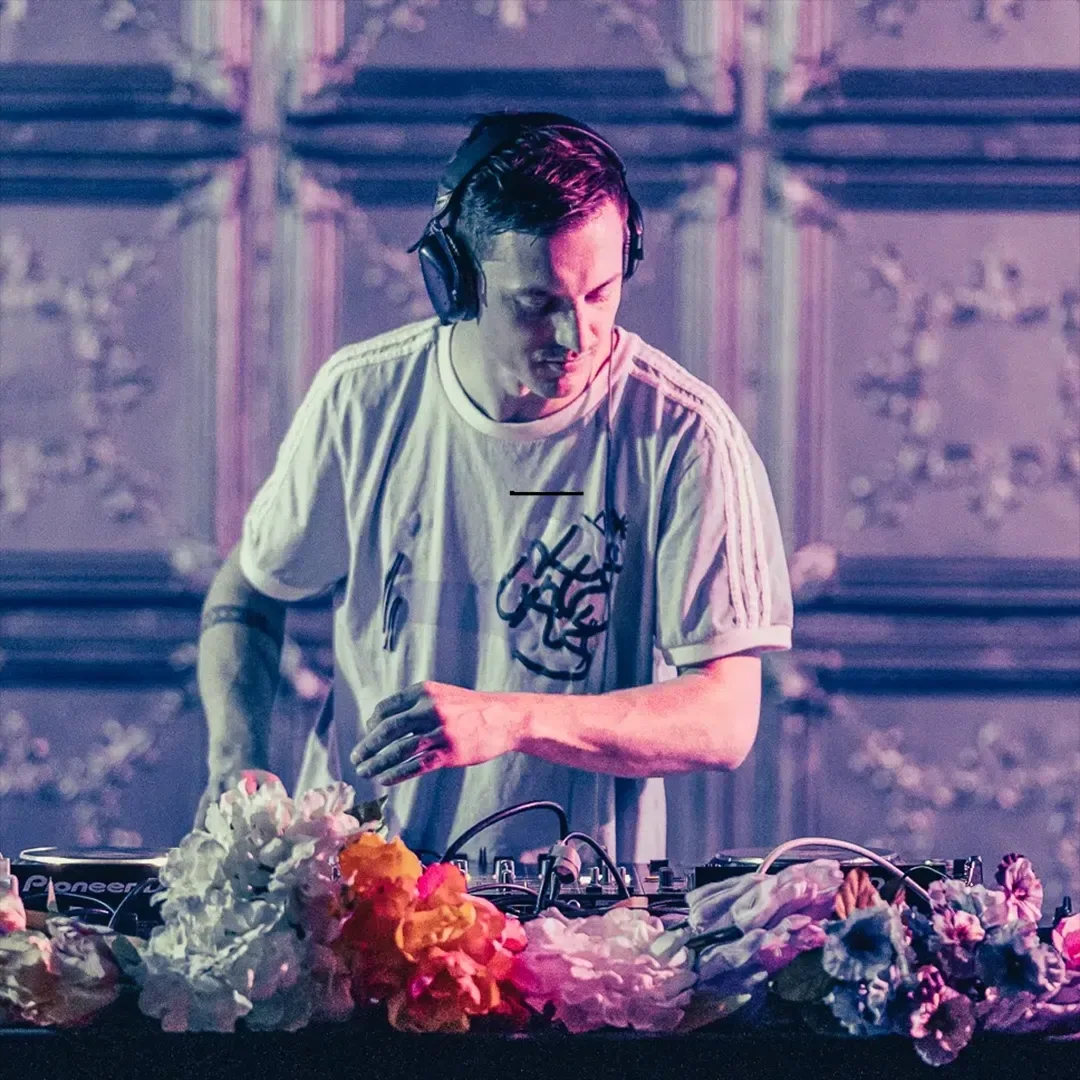
Casey Capps does not want Connection Campout to feel like an event people simply attend.
He wants them to help create it.
That principle sits at the center of the new multi-day gathering at Summer Lake Hot Springs in Oregon. DJs and producers will provide the music, but Capps imagines a wider exchange involving visual artists, vendors, lighting and sound crews, builders, workshop leaders, camp hosts, and guests willing to bring an idea of their own.
The goal is not to erase the work required to produce an event. It is to create a space where more people feel connected to that work and recognize that their contribution can change the experience around them.
I want everyone to be involved, everyone to have a piece in it, and everyone to feel equal in it. It is a space for us all to collaborate and connect.
Connection Campout is the biggest step yet for a promoter who began with curated club events in Bend. It is also a test of what can happen when the community surrounding electronic music is invited to become more than an audience.
From So Much House to something larger
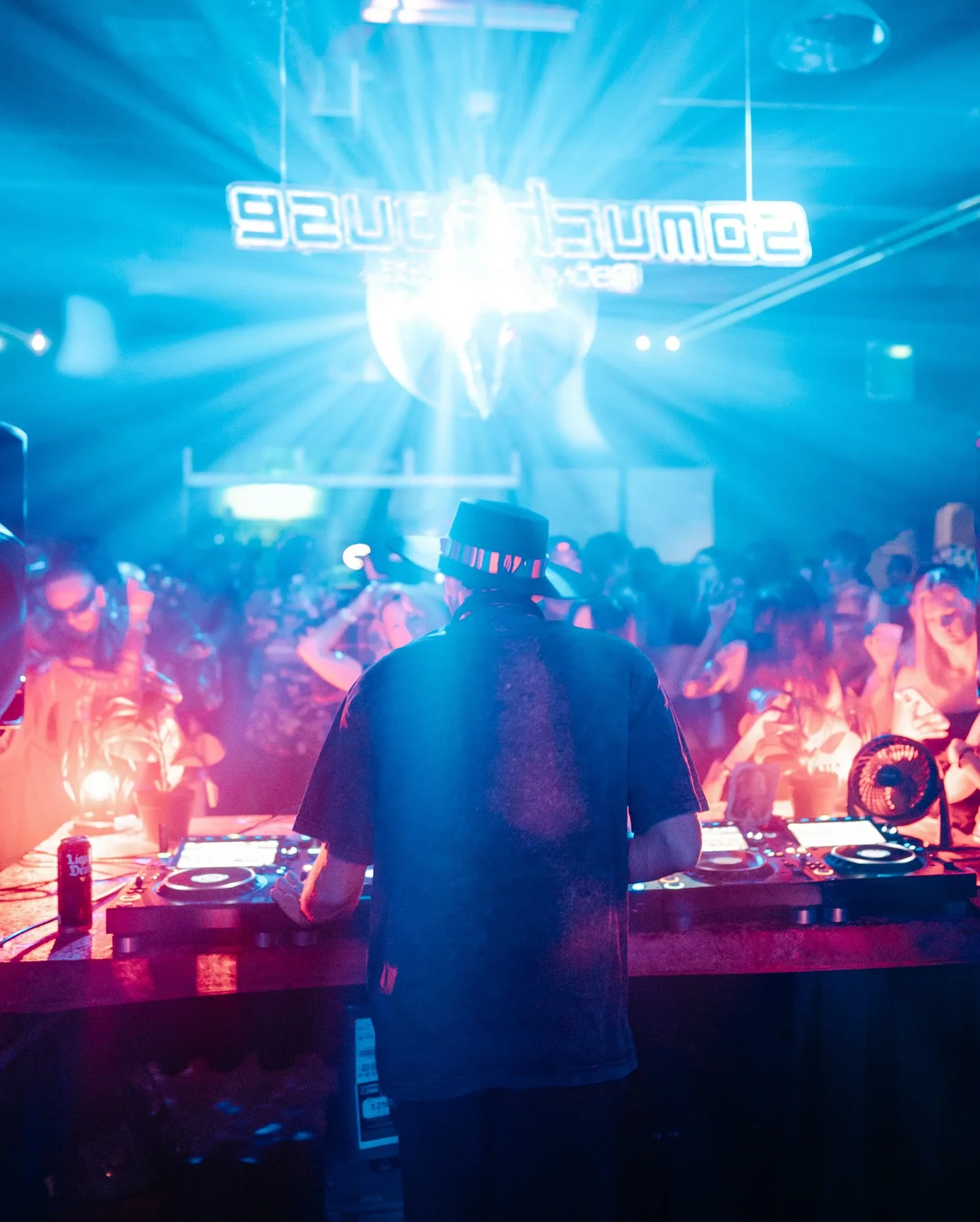
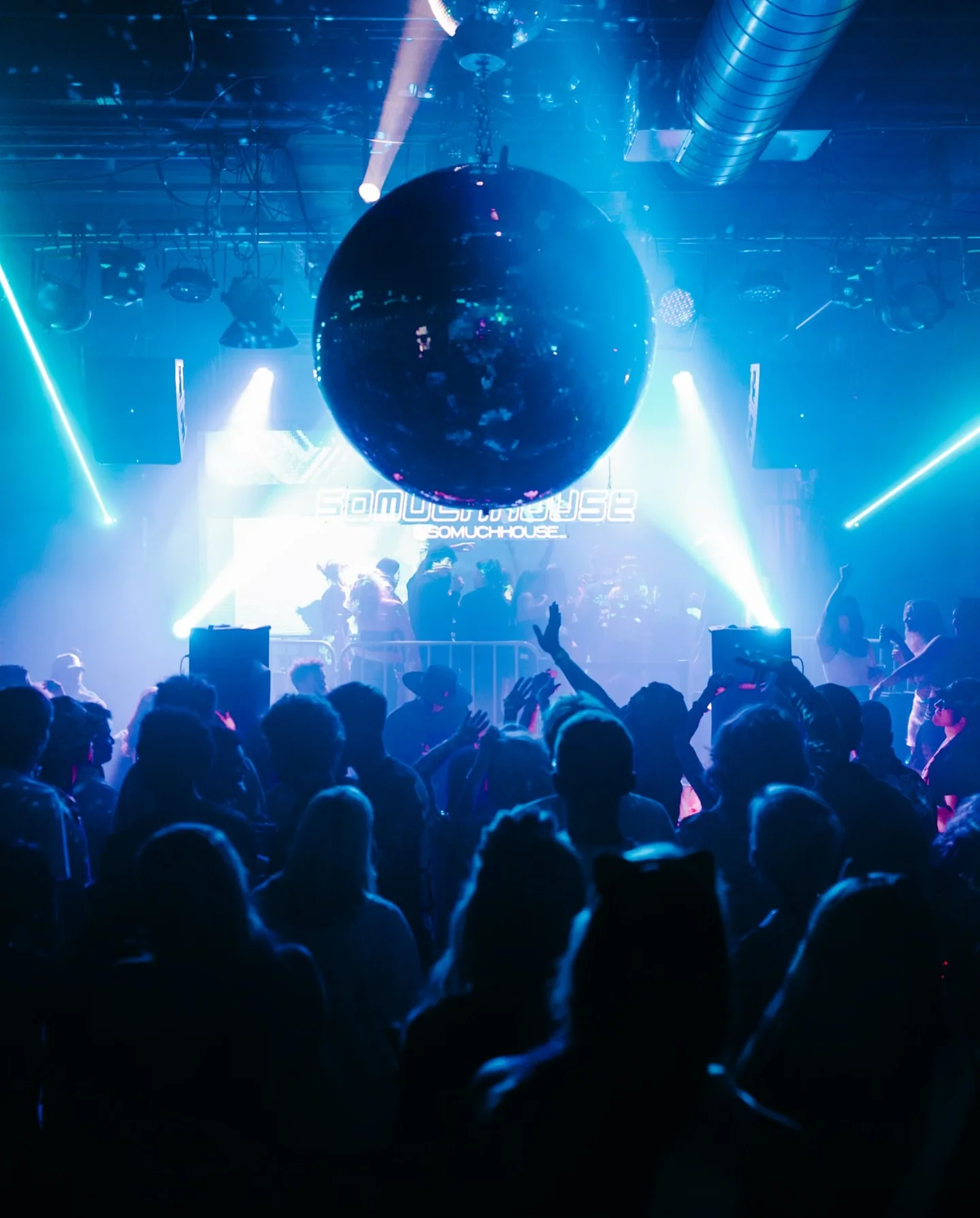
Capps launched So Much House in Bend in September 2021. The series began with house and techno at its center, while leaving space for other genres, collaborative bills, and events beyond Central Oregon.
The work established him as an independent promoter and gave him experience booking venues, inviting artists, coordinating production, and building nights both in and outside Bend. Love of House has joined So Much House for a collaborative event in Portland, one example of the regional relationships that grew around the series.
Club nights, however, were never the final limit of Capps’s ambition.
As he attended festivals and larger gatherings, he kept returning to the same question: how could he build something like this himself?
The answer did not arrive as a complete plan. It emerged through years of smaller events, conversations, observations, and a growing desire to create an experience that lasted longer than one night.
We can do club nights, book venues, bring artists, do stuff in town, and do stuff out of town. But I was going to these festivals and events, always thinking, ‘How could I ever do this?’
A suggestion at Summer Lake
The location had been in the background before the event itself became real.
Friends spending time at Summer Lake raised the possibility of hosting a private, small-capacity gathering there. The concept was simple enough to describe: several days of camping, DJs, artists, and the atmosphere of a music festival without the scale or separation of a conventional one.
Capps began researching what it would require. He contacted the owners of Summer Lake Hot Springs and presented the idea, mission, operating plan, and long-term vision behind Connection Campout.
The conversation lasted hours.
The owners could have declined immediately. The proposal involved a type of event Capps had never produced at that scale, in a remote environment where every detail carried greater weight. Instead, they listened and supported the idea.
That decision gave Connection Campout a home.
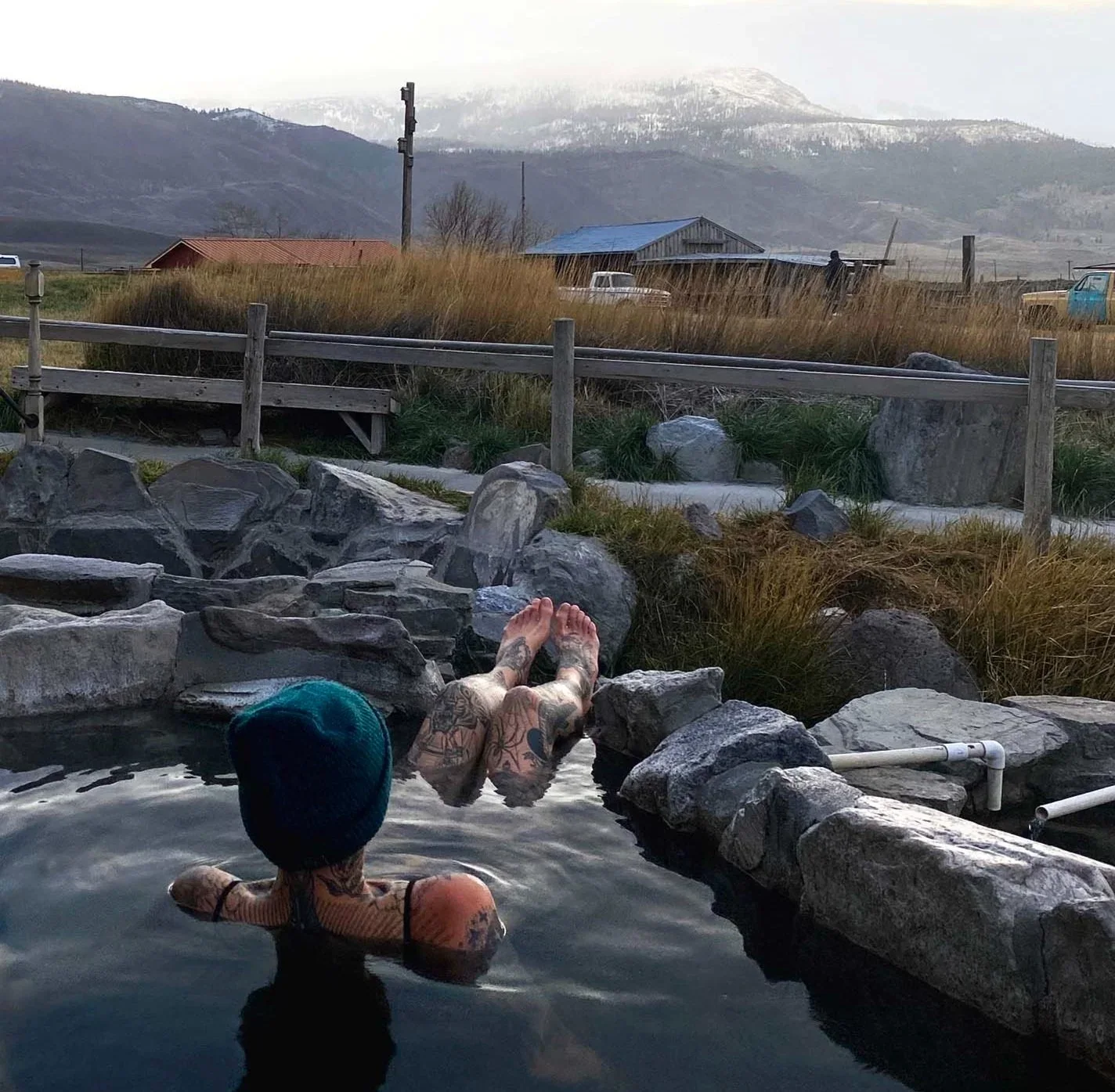
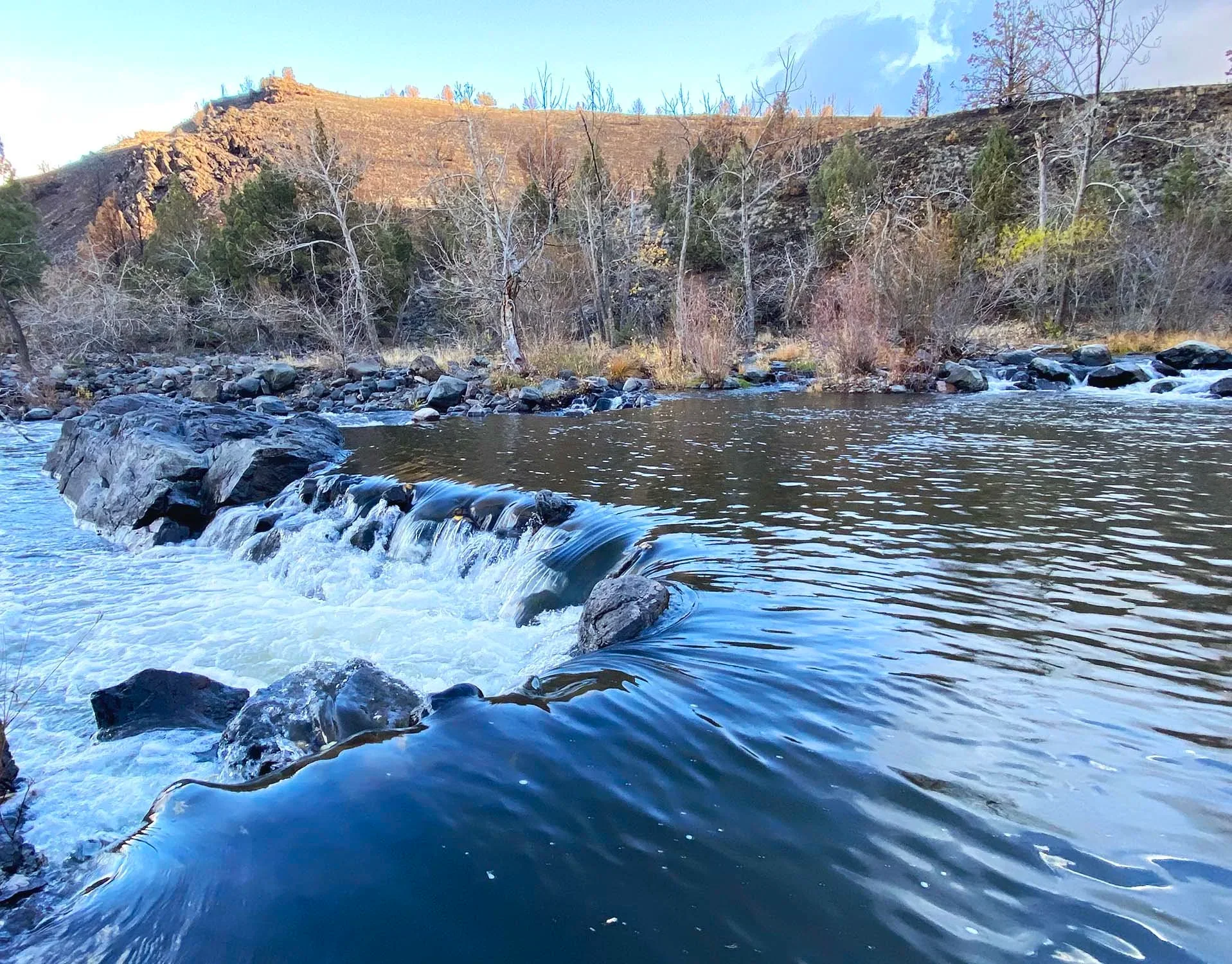
Summer Lake Hot Springs sits near Paisley in south-central Oregon, along the edge of a vast playa with mountains and the Fremont-Winema National Forests nearby. The landscape is open, remote, and unmistakably Eastern Oregon.
For Capps, that isolation is part of the design. The location creates distance from the rhythms of a normal club weekend and gives the community time to settle into a shared place.
It is this beautiful, classic Eastern Oregon landscape. It is desolate, remote wilderness, and I think it is the right fit for an event in this style.
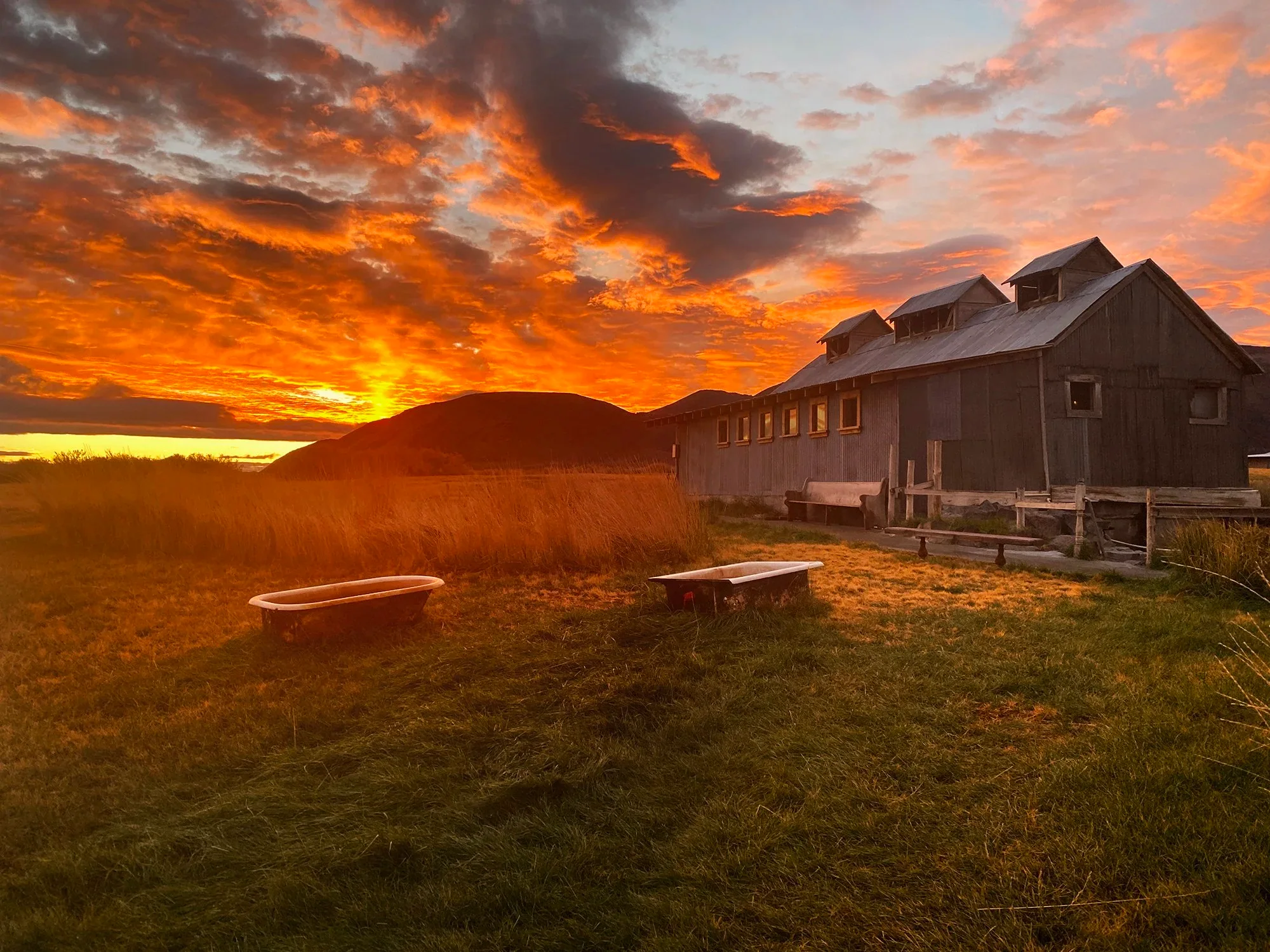
The landscape is not a backdrop chosen after the event. It is part of the conditions that make a slower, more collaborative gathering possible.
An event owned by artists
When Capps describes the mission he brought to Summer Lake Hot Springs, he starts with who should build electronic music events.
I wanted to create an event that was hosted, operated, and owned by artists. Those are the people who understand how things need to look, sound, operate, and be placed.
Artists, in this sense, include more than the names on a music lineup. The term stretches across producers, DJs, visual artists, lighting designers, sound engineers, builders, organizers, and anyone else whose work turns an empty site into an environment.
Connection Campout is meant to give those contributors space to bring ideas into public view. Someone might install interactive art, lead a workshop, help construct or strike the event, create a lounge at their camp, bring lighting, vend work, or offer another experience that does not fit neatly onto a stage schedule.
Each contribution becomes another way for people to encounter one another.
The model also asks guests to reconsider their role. Buying admission does not require someone to become event staff, but it can be the beginning of a more active relationship. A person may arrive the first year because friends invited them. By the next year, they might return with an idea, a camp, an installation, or a larger crew ready to build something together.
The distinction is between consuming an event and belonging to it.
Connecting scenes across the Northwest
The name Connection Campout also describes a regional goal.
Central Oregon has its own artists, crews, and audiences. Portland, Southern Oregon, Seattle, and other parts of Washington have theirs. People may recognize one another online or share occasional lineups without ever having enough time to develop lasting relationships.
Capps wants the campout to bring those communities into the same physical space.
The more people involved, the better. That creates a connection between people in Central Oregon, the Portland community, the Southern Oregon community, and up into Seattle and Washington.
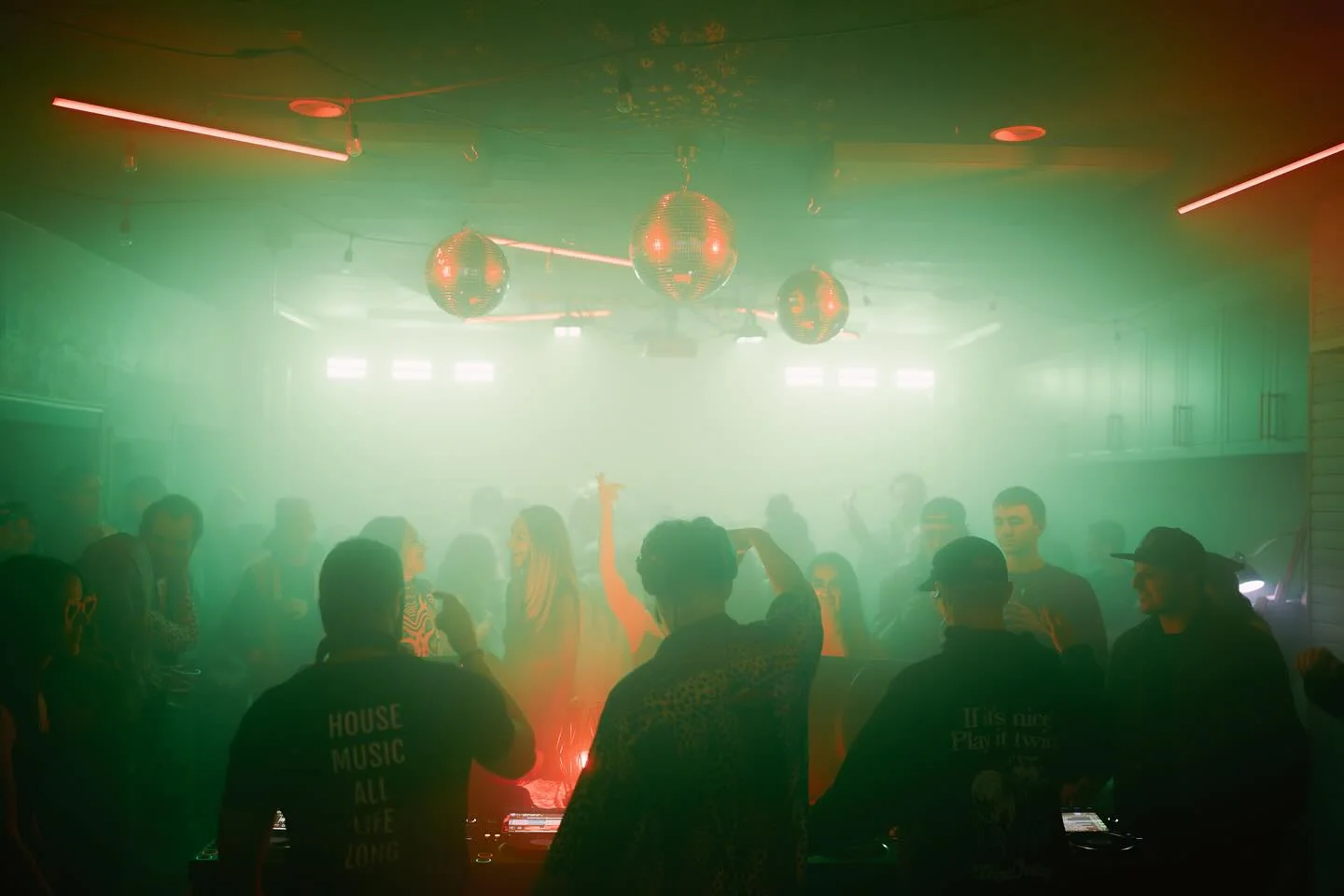
The collaborators do not need to share one genre or operate under one organization. What matters is alignment around how an event should feel and how people should treat one another while building it.
Capps wants the usual divisions to become less visible. Performer, guest, vendor, staff member, builder, and organizer still have different responsibilities, but nobody should feel placed in a separate social category.
The idea is that eventually everyone knows everyone. There is no separation between whether you are attending as a guest, an artist, a staff member, or part of operations.
That kind of equality cannot be created by branding alone. It depends on repeated choices, from how contributors are invited to how the site is built and how people behave once they arrive.
Connection Campout is Capps’s attempt to make those choices visible from the beginning.
Building an annual tradition
The inaugural campout is not intended as a one-time experiment. Capps is already thinking about the event as an annual return to Summer Lake.
Success, in his mind, will be measured partly by what people begin imagining before they leave.
I want people to come back ready for next year and already thinking about how they can contribute.
A group that attends as guests this year might return with a camp lounge. Someone inspired by an installation might build an interactive piece of their own. Friends who supported the first edition could invite more people and expand what their camp offers the community.
That growth is meant to be visible. Each return to Summer Lake can become a record of what people learned, built, and trusted one another enough to attempt.
We can come back and say, ‘Remember last year? Now look where we are. Look what we have. Look at the growth over the course of a year.’
The year between campouts then becomes part of the event. People can carry ideas home, develop them over time, and return with something that did not exist before.
Selling a vision before it exists
Turning that idea into a first-year event has required a different kind of work from producing a club night.
Capps drew from every resource he had developed through years of independent promotion. Photos and videos helped him communicate what he imagined. Podcasts and social media supported his research and planning. Phone calls, emails, and direct conversations allowed him to test the idea with both existing collaborators and people he had never met.
The hardest part was convincing others to believe in something they could not yet see.
The pitch was hard. But every time I did it, I realized I was saying the same thing off the top of my head. That is how I knew I was in the meat of it.
People could hear that he understood the vision. They could also see the obvious risk: he had never produced this exact type of event before.
Moving forward required confidence without pretending the unknowns did not exist. Capps had to resist the urge to choose the safer route simply because the project might fail.
I am trying to do this exactly the way everything has been planned because I know we are capable of it.
Every person who agreed to contribute became another act of belief. The event only became possible once enough people accepted that the first year had to be built before it could be proven.
Come and join us
Capps closes his invitation with advice for promoters, artists, event workers, and the people who support them.
Believe in your own ideas. Believe in the friends attempting something difficult. When someone asks for help or wonders aloud whether an idea could work, answer them. Reach out before waiting for a formal invitation. Offer the thing you know how to do.
If you have a cool idea that might work, do it. Ask. Reach out. Get involved. Come and join us.
That is the promise Connection Campout now has to fulfill. Its success will not come only from what appears on a lineup or how many people arrive at Summer Lake. It will come from whether those people recognize one another as collaborators and leave believing the next version belongs partly to them.
The first year starts with Capps’s vision. What Connection Campout becomes after that will depend on everyone willing to build it with him.